
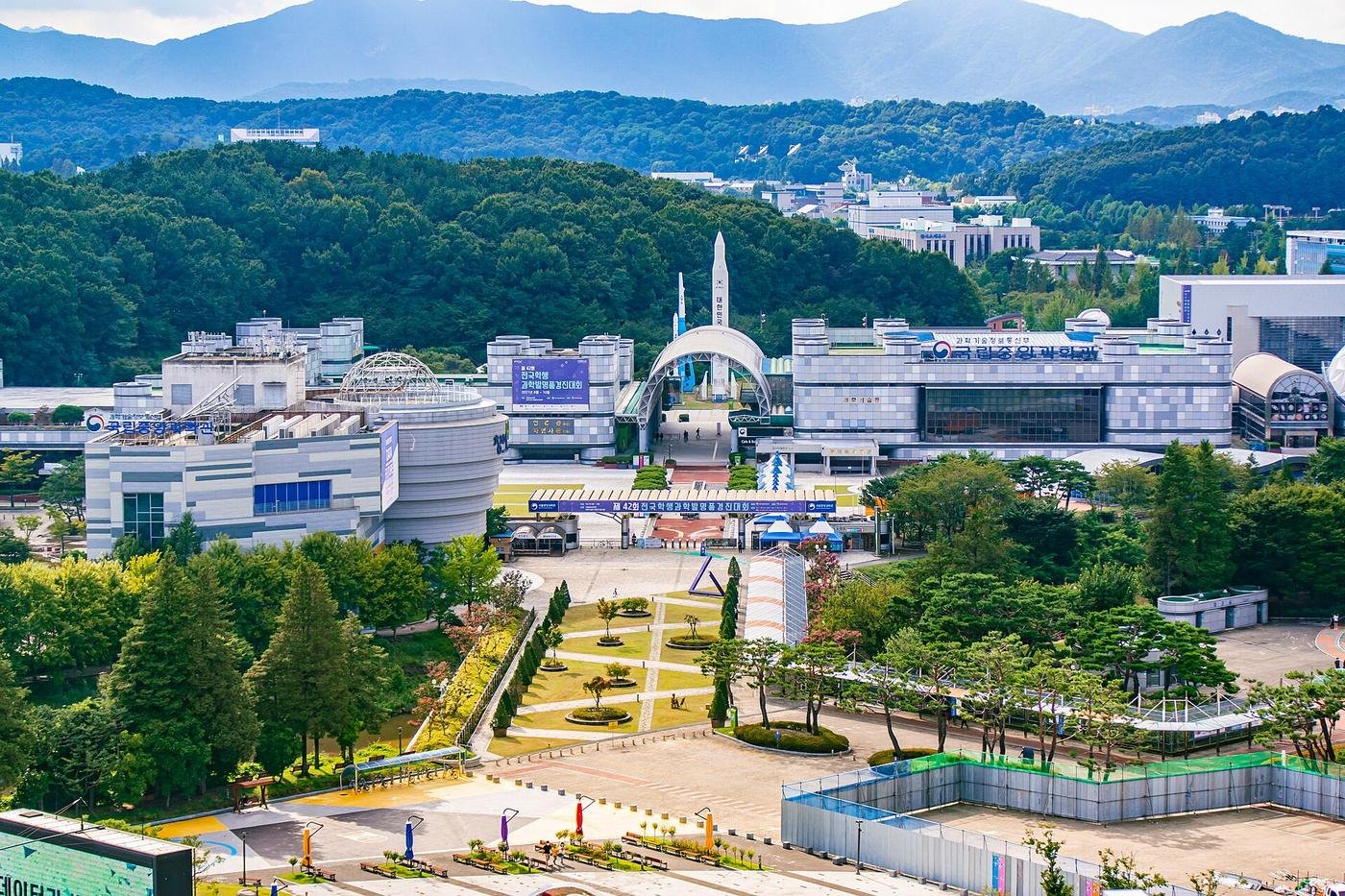
The National Science Museum in Daejeon is open from 09:30 to 17:30, and ticket sales close at 17:00. It closes every Monday, on 1 January and on the days of Seollal and Chuseok, and it follows extra make-up closure rules after holidays. The permanent halls, such as the Science & Technology Hall and the Natural History Hall, are free to enter.
Three halls are not free, though. The Planetarium, the Science Alive Discovery Center and KkumAty Hall charge a fee and require a reservation and a ticket. Planetarium tickets cost 2,000 won for adults and 1,000 won for youths and children, and every Wednesday paid halls are 50% off. Everything below follows the museum’s official English visitor information page.
When is the museum open, and when is it closed?
Opening hours are 09:30 to 17:30, and the ticket counter stops selling at 17:00. The regular closing day is every Monday, plus 1 January and the actual days of Seollal (Lunar New Year) and Chuseok (Korean harvest festival). On top of that, there are two make-up closure rules you should know before you travel.
How the make-up closure rules work
First, after the Seollal and Chuseok holiday periods, the museum takes a substitute day off on the first weekday after the holiday ends. Second, if the museum opens on a public holiday or a substitute public holiday, it closes on the following day instead. In practice, this means you can occasionally find it closed on a Tuesday or another weekday, not only on Mondays.
Because these rules depend on where holidays land each year, the safest habit is to look at the notices on the official website before any visit planned around a public holiday. The general information desk can be reached at +82-42-601-7979 (042-601-7979 inside Korea), and international visitors can also write to nsmkorea@korea.kr. The address is 481 Daedeok-daero, Yuseong-gu, Daejeon.
A little history explains the scale of the place. The museum began in 1945 as the National Science Museum in Yejang-dong, Jung-gu, Seoul. Under an expansion plan drawn up in 1983, a new campus was built over five years inside the Daedeok research district, and the current museum opened on 9 October 1990. The site covers 176,232 square meters of land with 43,384 square meters of buildings, so expect a lot of walking and wear comfortable shoes.
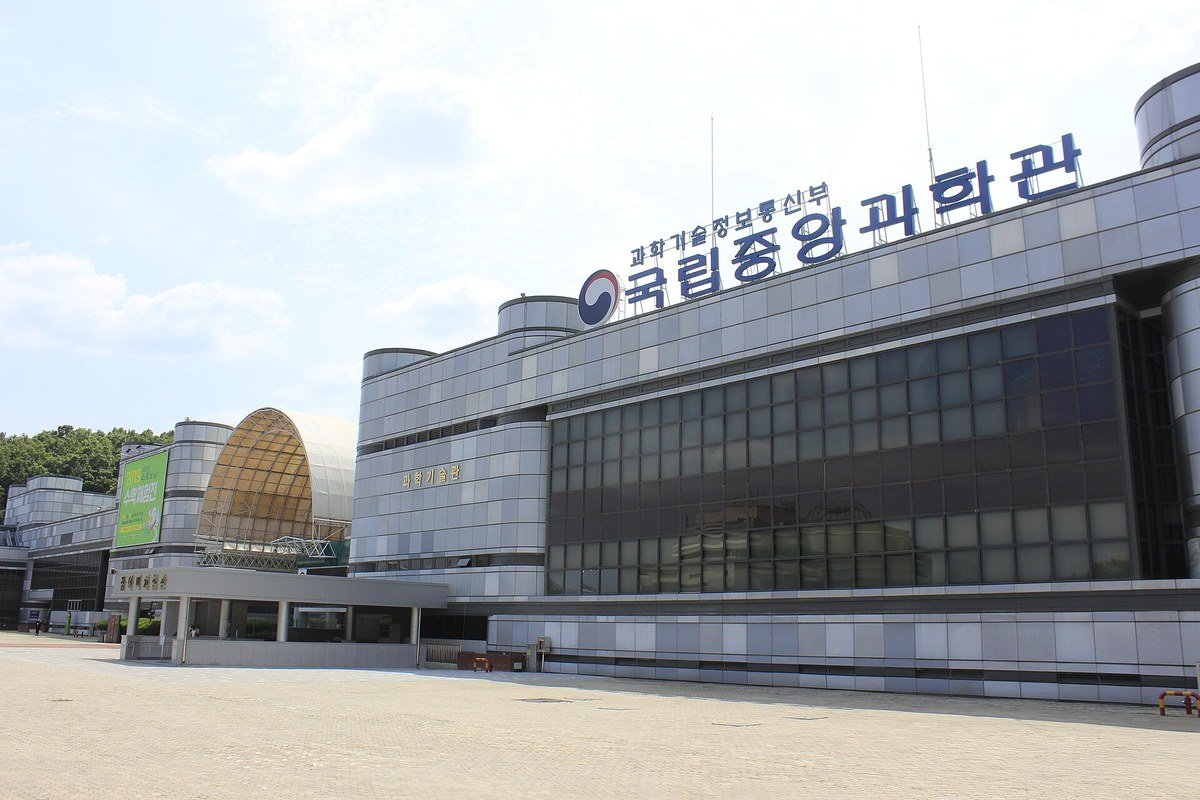
Which halls are free, and which ones charge a fee?
The free halls are the Science & Technology Hall, Natural History Hall, Humanity Hall, Future Tech Hall, Botanical Garden, Children’s Science Museum, Astronomical Observatory and the outdoor exhibits. The Planetarium, Science Alive Discovery Center and KkumAty Hall are paid and need both a booking and a ticket. Bookings for paid halls open at midnight, 30 days before your visit date, on the official reservation site.
| Type | Hall | Fee | How it runs |
|---|---|---|---|
| Free | Science & Technology, Natural History, Humanity, Future Tech, Botanical Garden, Children’s Science Museum | Free | Walk in, 09:30–17:30 |
| Free | Astronomical Observatory | Free | Guided sessions at 10:00, 11:00 and 13:30, up to 16 people each |
| Paid | Planetarium | Adults 2,000 won; youths and children 1,000 won; preschoolers 1,000 won | Sessions at 10:00, 11:00, 13:30, 14:30, 15:30 and 16:30, 30 minutes each |
| Paid | Science Alive Discovery Center | Adults 2,000 won; youths and children 1,000 won; preschoolers 1,000 won | Blocks of 09:30–11:30, 12:30–14:30 and 15:00–17:00 |
| Paid | KkumAty Hall | Adults 2,000 won; preschoolers 1,000 won; infants 1,000 won | Blocks of 10:00–11:50, 13:00–14:50 and 15:40–17:30 |
The Planetarium and the Observatory are different places
The names sound alike, and this is the single most common mix-up. The Planetarium is a paid hall with six 30-minute sessions a day, and infants under 36 months are not admitted. Plan to book it in advance, because sessions have limited seats.
The Astronomical Observatory, by contrast, is one of the free halls. From October to February it runs on its winter schedule, with a guided solar talk at 10:00, 11:00 and 13:30, and each session takes up to 16 people. The talk is aimed at elementary school children and older, reservations are required, and any remaining places are offered on the day.
Who gets discounts or free entry to paid halls?
Every Wednesday is “Culture Day”, when paid halls are 50% off, but this cannot be combined with the group rate. Groups of 20 or more also get 50% off. People with disabilities plus one companion, national merit recipients, 5.18 Democratic Merit recipients and visitors aged 65 and over are exempt from fees; if you book online you pay first and then get a refund on the day at the ticket office next to the main gate by showing proof.
KkumAty Hall only admits preschool children aged six and under, so families with school-age kids should pick another paid hall. The museum’s age bands are: infants under 36 months, preschoolers 3 to 6, youths and children 7 to 18, and adults 19 to 64. Full fees and session times are on the Korean official paid exhibition hall page.
How should you plan a day at the museum?
The easiest method is to lock in your paid-hall session first and then fill the remaining time with free halls. The official average visit times are 90 minutes for the Science & Technology Hall, 60 minutes for the Natural History Hall, and 40 minutes each for the Humanity Hall, Future Tech Hall and Botanical Garden. The Children’s Science Museum is listed at 90 to 110 minutes.
Timing the guided talks
Several free halls offer guided talks that you can book on the reservation website, Tuesday to Sunday. The Natural History Hall talk on the natural history of the Korean Peninsula runs at 10:00, 14:00 and 16:00, and the Humanity Hall talk on human evolution runs at 10:30 and 16:30. The Future Tech Hall offers a full-hall tour at 14:00, 15:00 and 16:00. Schedules can change, and if you arrive more than five minutes after the start your booking is dropped.
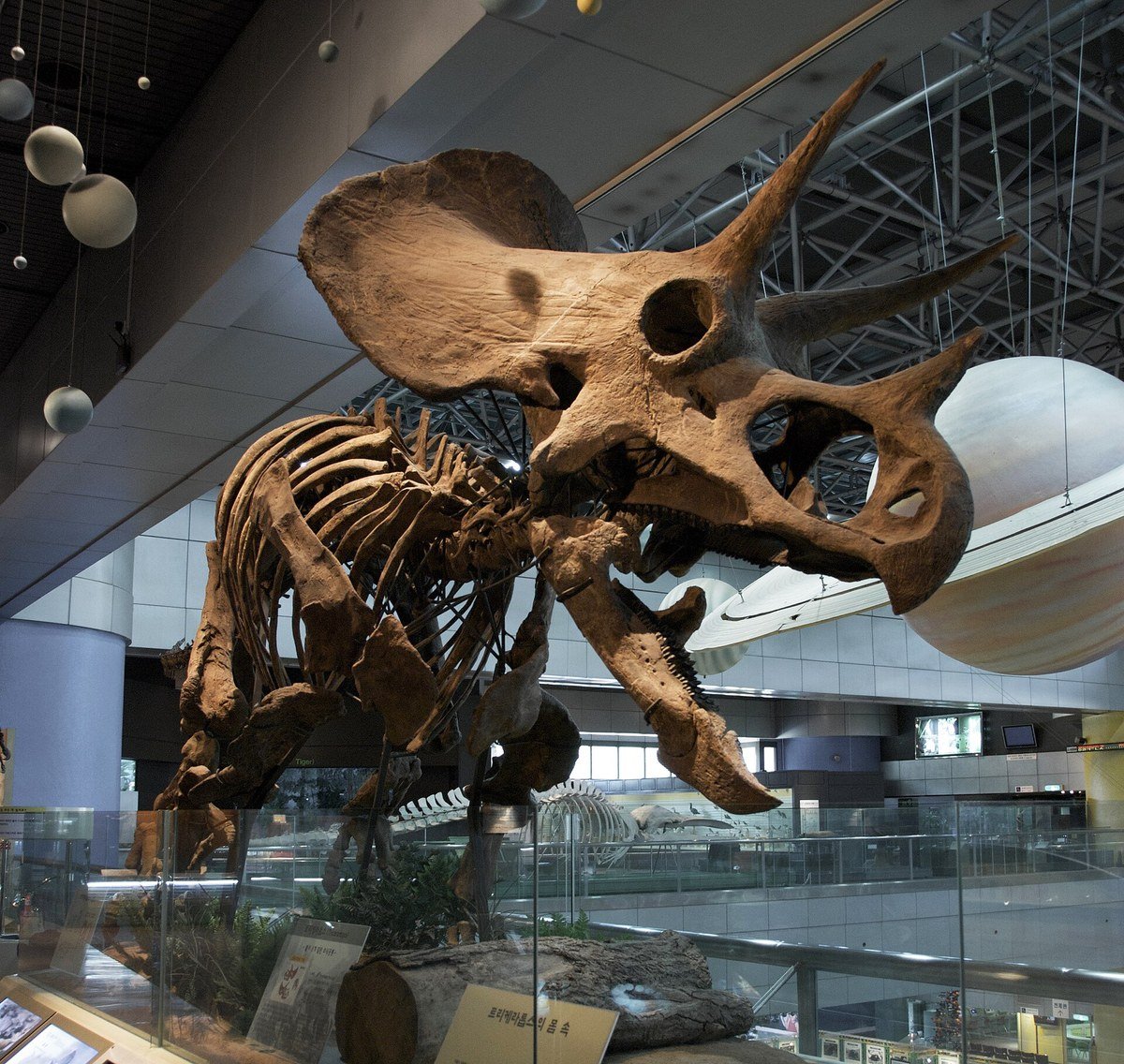
The Natural History Hall is built around the theme of the natural history of the Korean Peninsula, with a research room, open storage and the Dino Hall. Among its materials are fossils about one billion years old and rocks about 2.5 billion years old. A QR docent service is also being piloted, so bring your own earphones if you want to use it.
As an example, you could watch the 10:00 Planetarium session, walk through the Natural History and Humanity halls before lunch, and then spend the afternoon in the Science & Technology Hall. With young children, leave generous time for the Children’s Science Museum. Note that its short spot talks do not run on weekends or public holidays.
Can you still ride the maglev train?
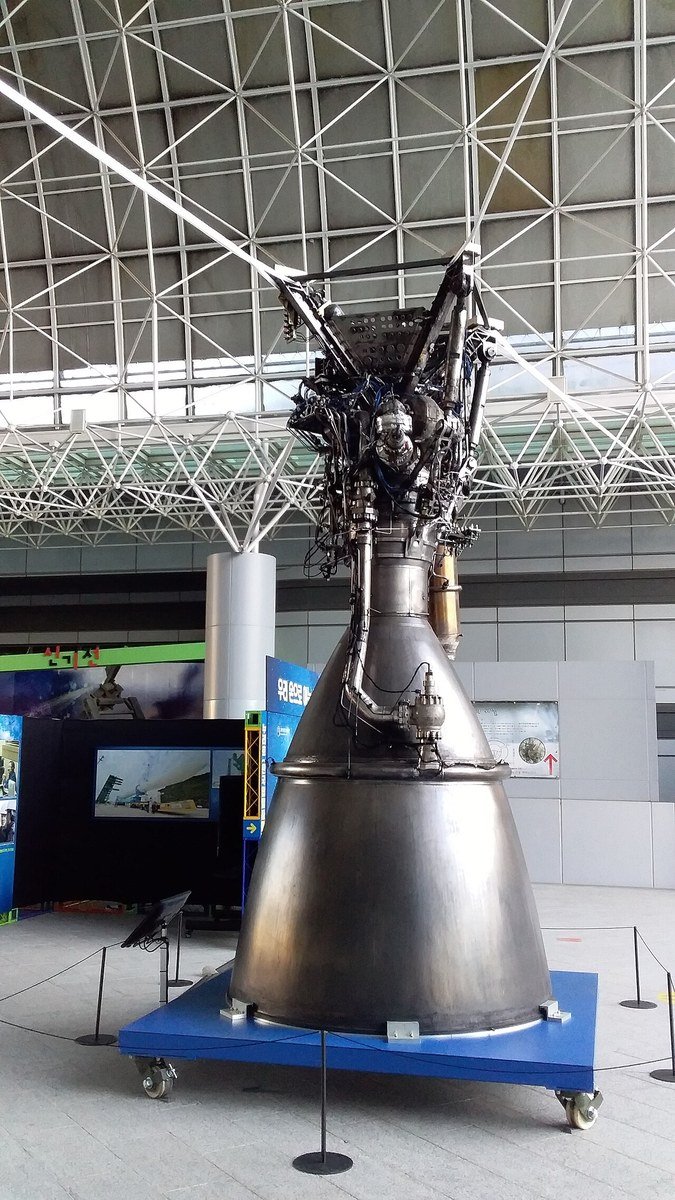
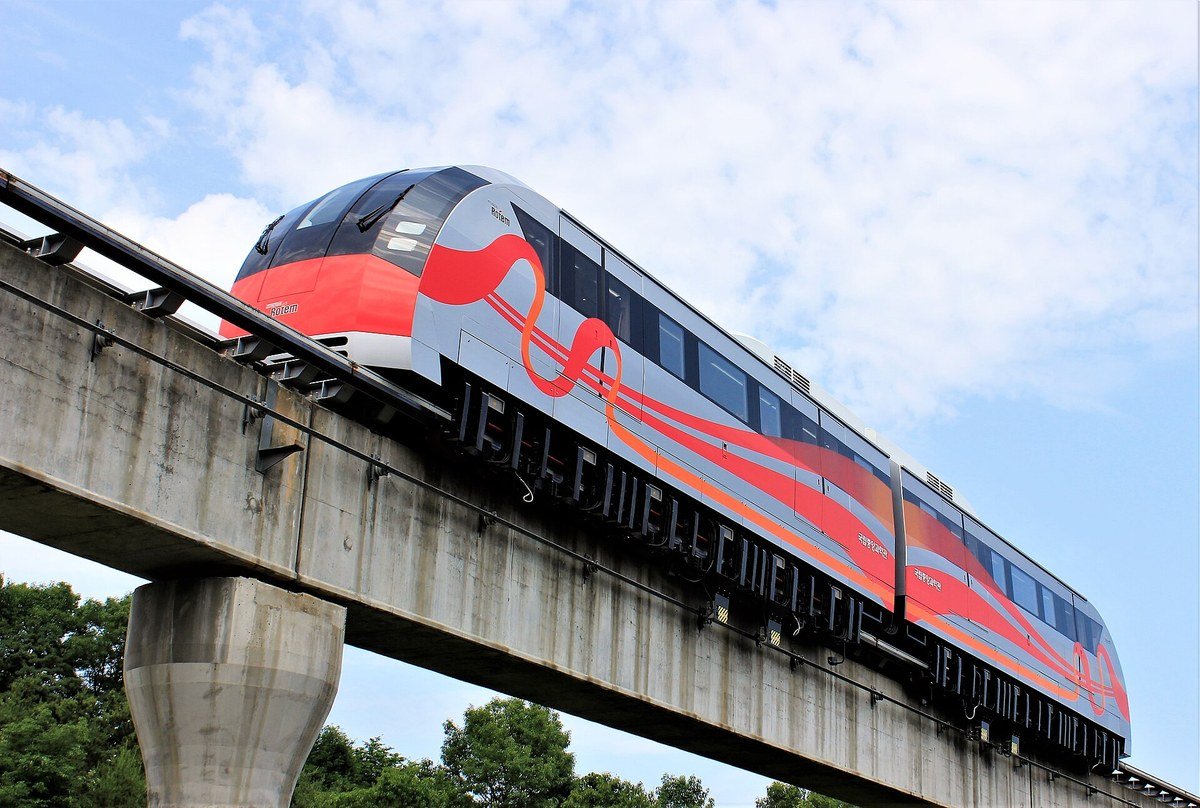
No. Maglev rides ended on 31 December 2020, and the trains are now shown only as exhibits in the outdoor Maglev History Hall. Korea was the third country in the world to develop maglev technology, which is the story this outdoor display tells.
The vehicles on display are KOMAG-01 (1990, four passengers), HML-02 (1991, eight passengers), HML-03 (1993) and UTM-01 (1997, 120 passengers). HML-03 carried about 120,000 people during Expo ’93 in Daejeon. If you are making a full day of it in the city, you could also pair the museum with Expo Science Park or Sungsimdang.
How do you get there by public transport or car?
Take Daejeon Metro Line 1 to Government Complex Daejeon Station and leave by exit 3. From the Dunsan Police Station stop, board bus 301, 318, 604, 705, 707 or Express 1001 and get off at the “National Science Museum” or “Shinsegae Department Store” stop. A taxi from the station covers about 2 kilometers in around five minutes.
Arriving by train
If you arrive at Daejeon Station on the Gyeongbu Line, ride the metro to Government Complex Daejeon Station and use exit 3 for the buses or a taxi. From Seodaejeon Station on the Honam Line, take bus 318 from the Seodaejeon Station Entrance stop, or go to Oryong Station and ride the metro to Government Complex Daejeon. The museum stop itself is served by buses 104, 121, 604 and village bus 5, while the Shinsegae stop is served by 705, 707, 911, Express 3 and A5.
Parking fees and when the lots fill up
The car park has 568 spaces in total. A small car pays 4,000 won for up to five hours, and after that it is 500 won per 30 minutes; large buses with 25 or more seats pay 6,000 won for up to five hours. Leaving within 30 minutes of entry is free, and the automatic pay machines accept cards only.
On weekends, public holidays and event days the lots are full from 12:30 to 16:00, and the average wait when full is 40 to 60 minutes. Compact and eco-friendly cars get 50% off. If you are coming on a weekend afternoon, public transport is far less stressful. Details are on the official English parking page.
Inside the grounds, roller shoes, bicycles, kick scooters, inline skates and skateboards are not allowed, and smoking is banned everywhere. Pets cannot enter, although guide dogs for visually impaired visitors are welcome. Food is not allowed inside the exhibition halls, so use the designated areas instead.
Frequently asked questions
Until what time can you buy tickets?
The museum is open 09:30 to 17:30, and ticket sales close at 17:00. Arrive before 17:00 if you are coming late in the afternoon.
Is admission really free?
The permanent halls are free. The Planetarium, Science Alive Discovery Center and KkumAty Hall are paid; Planetarium tickets are 2,000 won for adults and 1,000 won for youths and children.
Is there a discount on Wednesdays?
Yes. Every Wednesday is Culture Day, with 50% off paid halls. It cannot be combined with the group rate.
Is weekend parking easy?
There are 568 spaces, but on weekends and public holidays the lots are full from 12:30 to 16:00. Small cars pay 4,000 won for up to five hours.
Sources
- National Science Museum visitor information (English)
- National Science Museum paid exhibition halls (Korean)
- National Science Museum parking (English)
- Photos: Myeongho (featured), Yoo Chung (body 2), Uconhe (body 3) / Wikimedia Commons, CC BY-SA 3.0 · Trainholic (body 1 and 4) / Wikimedia Commons, CC BY-SA 4.0
Leave a Reply